Jesse Chan “Lolo”
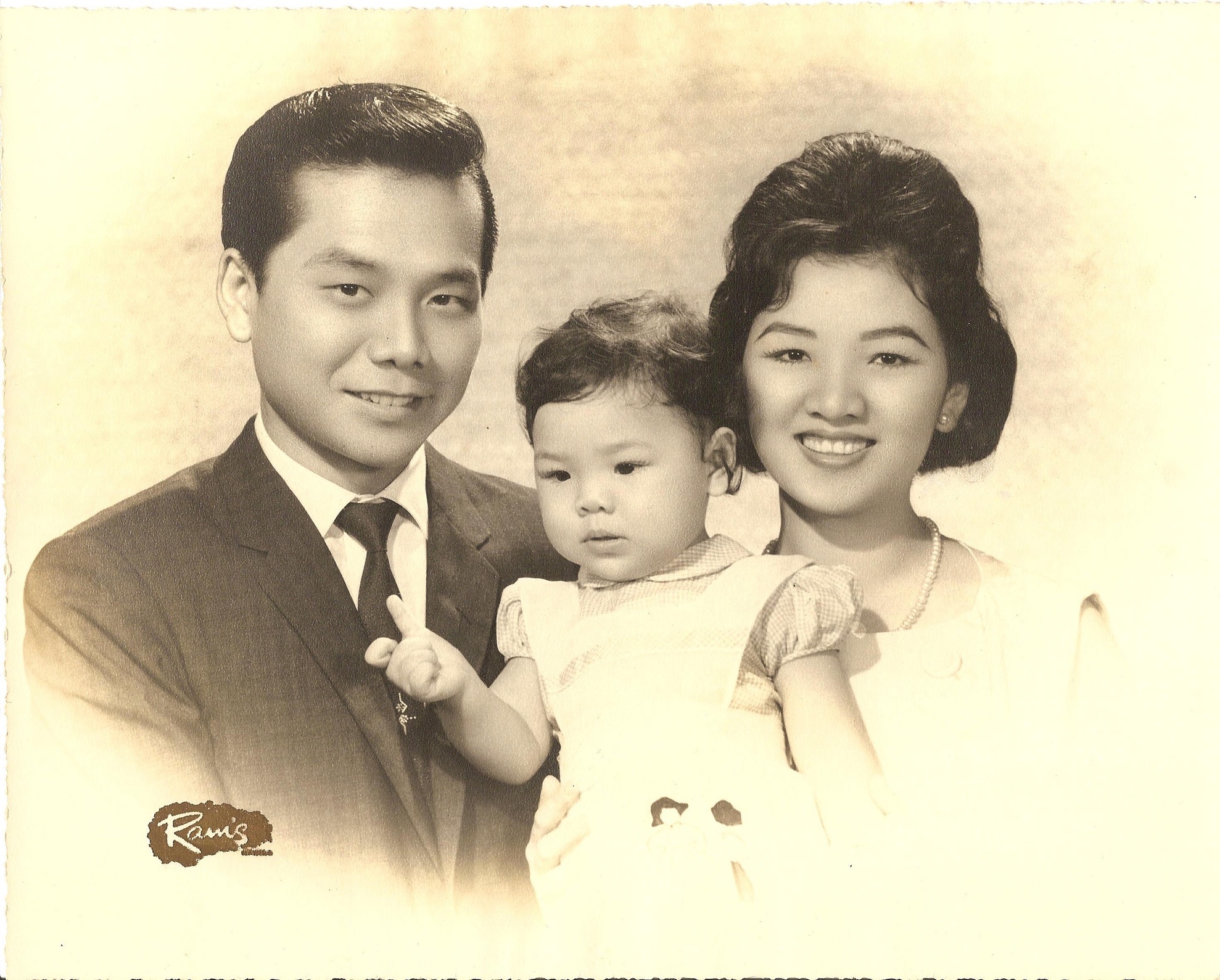
Vital Information
- Born: Philippines (exact date needed)
- Died: August 9, 2022 in Los Angeles, California
- Burial: Forest Lawn Memorial Park Glendale - Section: Column of Freedom, Map #: ELA0, Lot: 0, Space: 5976 A
- Known as: “Lolo” (Filipino for grandfather), “The General” (family nickname)
- Father died: When Jesse was 3 years old
- Mother: Cantonese-speaking, from Hong Kong
- Spouse: Betty Chan (married 1957)
- Children: Rose Chan Loui (1960), Meg Chan Feitelberg (1963), John Louis Chan (1965), Michelle Chan Ng (1968)
Early Life and WWII Experience
Childhood and Displacement (1930s-1940s)
- Born in Philippines to Chinese father (import/export business between Philippines, China, Hong Kong, and America) and Cantonese mother from Hong Kong
- Father died when Jesse was 3 years old
- Mother moved family to Hong Kong after father’s death
- From Hong Kong, family fled to Jiaji Village (夹际村/夹漈村, also called Yong Qin) in Yongchun County when Japanese attacked Hong Kong
- Family stayed in Fujian province (Jiaji Village, Yongchun County) for 3 years during Japanese occupation
- Only place in China where Japanese didn’t fully occupy: “whole China they took, only Fujian they didn’t touch”
- Family lived in ancestral village in mountains
Life Under Japanese Occupation
The Japanese Colonel Friendship
One of the most remarkable stories from Jesse’s youth:
- After war, when Chinese were starving under Japanese occupation, Jesse approached Japanese soldiers for food
- A Japanese colonel (high-ranking officer) took a liking to Jesse (teenager at the time)
- The colonel said: “Anything you want, you just tell me. I give it to you.”
- The colonel gave Jesse special preference - didn’t want Jesse’s brothers, only Jesse
- Every day the Japanese forces would slaughter three pigs, and the colonel would give Jesse one whole leg
- Jesse shared the meat with neighbors and friends - “one leg is a big, big piece”
- The colonel also gave Jesse a special pass so he didn’t have to bow to Japanese soldiers at checkpoints
- All Chinese had to bow at every corner to Japanese soldiers
- Jesse could just show the paper and soldiers would bow to HIM instead
- The colonel took over Hong Kong after a brief battle (British soldiers surrendered in “only a few hours”)
- After one year, the colonel offered to take Jesse to Philippines or Japan
- Jesse’s mother warned him: “He won’t take you to Philippines. He’ll take you to Japan and you’ll never come back.”
- The colonel liked Jesse so much he wanted to adopt him to Japan
- Jesse’s mother prevented this, likely saving his life or at minimum preventing permanent separation
Hiding from Japanese Attacks
- Family had to run and hide in caves during Japanese air raids
- Mother would tie hard-boiled eggs around Jesse’s waist for food during escapes
- Sometimes had to run to shelters 10 times in one day
- “Everyone did that” - constant state of emergency
- Caves were all over southern China (northern China had fewer)
- Many beautiful caves now with lights and tourism, but during war they were rough shelters
Post-War Years (1945-1950s)
Return to Shanghai
- After Japanese surrender, family moved back to Shanghai
- Jesse wanted to join military to “fight Japanese” but war ended
- Wanted to be a Navy pilot - influenced by neighbor who was pilot and mother’s cousin in Air Force
- They both encouraged him: “If you want to be a soldier, Air Force, you can do it”
- But Jesse was “not qualified - too young” (just finished elementary school)
- Family kept moving during this period - Shanghai, then other places, back to Shanghai
- Eventually settled in village again for stability
Education and Language Acquisition
Jesse became multilingual through displacement and necessity:
- Cantonese (first language, from mother and Philippines Chinese community)
- Hokkien/Fujian dialect (learned in Yong Qin during 3-year refuge)
- Shanghainese (learned in Shanghai)
- Mandarin (learned as standard Chinese)
- Tagalog (learned in Philippines after returning as adult)
- English (studied at night school in Philippines while working)
- Other regional Chinese dialects from moving around China
- Jesse left Philippines at age 3, so had to relearn Tagalog when he returned to Manila
- Attended elementary school in China (finished during/after WWII)
- Completed high school while living in ancestral village during Japanese occupation
Uncle’s Control and Sacrifice
Family Dynamics After Father’s Death
- Jesse’s uncle (father’s brother, father of Uncle Steve/Tony’s father) controlled all family money after father died
- Everything Jesse’s family needed, they had to ask uncle for permission
- Mother “always had to talk to her proper head” (ask uncle for everything)
Sacrifice for Brothers’ Education
Major family sacrifice:
- Uncle told Jesse: If you go to work, I’ll send your brothers to college
- Jesse was the only one of his siblings who didn’t go to college
- All other brothers finished college while Jesse worked
- Jesse “really doesn’t know” what his brothers studied
- Sometimes Jesse would hide in hotel to avoid seeing uncle, because otherwise uncle would make him work on family genealogy book
Siblings’ Paths
Six children from Jesse’s mother (Amma):
- Oldest brother - stayed in China
- Brother #2 - college, moved to Hong Kong, worked there
- Brother #3 - college
- Brother #4 - “gave up college,” worked for someone in Hong Kong
- Youngest brother - finished college, sent by government to Xiamen (Amoy) to help build the city
- Older sister - eventually moved to Hong Kong, went blind (family visited her)
- Sister #2 - stayed in China
Two or three children from father’s first wife:
- First wife had “nervous breakdown” - couldn’t bear a son
- She would throw things at people walking in street in Hong Kong
- Family moved her back to Yong Qin (ancestral area) for care
- Before she moved back, father had already married Amma (Jesse’s mother, the second wife)
- Two girls from first wife
- One boy (adopted) - this is the father of “Cognac” (Tony)
Mother (Amma) left Shanghai around 1959 (after Jesse married Betty) and moved to Hong Kong, where family would visit her regularly.
Family Genealogy Book
- Jesse’s uncle was compiling the Zheng/Chan family genealogy book
- Jesse had to work on it during every summer vacation
- Would stay at uncle’s house in ancestral village (Jiaji Village, Yongchun County)
- Uncle would “ask him to write those things and write a lot”
- Jesse would sometimes hide in hotels to avoid this work
- The book was published in Taiwan and is now in 12+ libraries worldwide including Michigan, Germany, and Australia
- Written in Chinese
- Book only included boys (traditional Chinese genealogy)
- Girls added only after marriage and accomplishments
- Rose (Jesse’s daughter) was added to book after graduating from Stanford in late 1970s/early 1980s
- The great-great-grandmother in family photos was “very rich - her family was really rich”
Return to Philippines and Marriage
Coming to Manila (Late 1940s/Early 1950s)
- Mother and uncle decided to send Jesse to Philippines
- Jesse returned to Manila after finishing high school in China
- Worked daytime in a shop/store
- Attended night school from 6:00 PM to 9:00 PM to study English
- Had to relearn Tagalog and learn English as young adult
Meeting Betty Through Social Club
”Happy Dreamers” Club
- Jesse was member of social club called “Happy Dreamers”
- Close friend group including:
- Uncle George (Betty’s brother)
- Uncle Henry (Betty’s brother)
- Patrick (actually Jesse’s cousin’s son, but older than Jesse)
- Three of them (Jesse, George, and friend) would go together to Betty’s house
Courtship
- Jesse was friends with Betty’s two older brothers first
- Would visit Betty’s house regularly but Betty never talked to him
- Betty would “just stay upstairs and study” - very shy
- Jesse would only talk to her two brothers
- Betty’s house was the “party house” where group would gather
- Some played games, some talked to other girls in the group
- Betty wasn’t allowed to mingle with the boys - too young
- Betty finished college at age 16 (no junior high in Philippines, finished high school at 12)
- Betty had to wait until age 21 before she could go out with Jesse
- Even then, she could only go with her two brothers as chaperones
- Betty was “not allowed to go out with him alone”
Dating Activities (After Betty Turned 21)
- Dancing - Jesse was an excellent dancer
- “When he’s dancing with the girl [Hoki], people watch them. They stop dancing. That’s how good he was.”
- Jesse learned to dance in Shanghai from friend’s sister who was “really a good dancer”
- Jesse would teach Betty how to dance
- Eating out at restaurants
- Spanish music venues - Jesse liked the music, they would sit, eat, and listen to Spanish singers
- Jesse played basketball in Shanghai (Far Eastern team) but not in Philippines
Marriage (1957)
- Traditional Chinese engagement within 100 days of Betty’s father’s death (Chinese custom)
- Elaborate engagement ceremony:
- Jesse’s uncles and aunts brought gifts: diamonds, jade, 24 pieces of cloth, Rolex watch, cash
- Betty’s mother gave: suiting material, Rolex watch, cash
- Guests served noodle soup with boiled eggs
Career in Philippines
Eastern Textile Factory (Manila, 1950s-1967)
Jesse’s Role
- Purchasing Manager - “I just buy things. Everything the factory needs, I’m the one who buy it.”
- Board of Directors member
- Factory employed 2,000 workers
- Betty was Payroll Supervisor at same factory
Basketball Team Manager
- Jesse was owner/manager of factory basketball team
- “I’m the owner. I have the place there.”
- Hired workers to play basketball
- Also hired professional basketball players
- Team competed against other companies’ teams
Brave Incident at Factory
- A worker came to borrow money against his salary
- Jesse refused
- Worker later came to gate with a knife, holding it, wanting to stab someone
- Office called Jesse
- Jesse went to gate and talked to the worker: “Give me the knife”
- Worker gave Jesse the knife - crisis averted
- Betty: “Daddy’s really brave. He is over brave.”
Board Split (1967)
- Board split into two factions
- Jesse’s faction decided to sell shares at par value plus 20%
- This prompted move to Taiwan
Santa Mesa Compound (Manila, 1957-1967)
Living Arrangements
- After marriage, lived in “Santa Mesa” - a large family compound
- 60 people lived there when Jesse and Betty married
- Four generations: Great-grandma, grandma, parents, children
- “Big compound” with different buildings/apartment units
- Multiple family branches living together
- Third uncle also stayed there
- This is where Rose was born (1960)
Life in Taiwan (1968-1990, 22 years)
Move to Taiwan
- 1968: Friend “enticed us to go join him in doing business in Taiwan”
- Moved with four children (Rose 8, Meg 5, Louis 3, Michelle infant/born there)
- Built house at Eastern Textile Factory before Louis was born
Multiple Business Ventures
1. Nightclub/Supper Club (Late 1960s-Early 1970s)
- Jesse opened a nightclub restaurant/supper club
- Daytime: restaurant
- Nighttime: dancing, singing, shows
- Had orchestra every night
- Had MC (master of ceremonies)
- Shows included:
- Singing performances (mostly singing)
- Magic shows
- Professional entertainers
- Open until midnight or 1:00 AM
- Jesse would close up and go home every night
- Betty could go during daytime (fun for her)
- Family members remember the shows
2. Real Estate Development
-
Jesse: “Real estate is really simple. You just look at the land and you like it, you just buy it. Then we build a house. That’s it.”
-
Built multiple properties:
Cherry Hill Development:
- Three-story buildings
- Multiple units
- “Very simple one”
Houses on the Hill:
- Big houses on hillside location
- Rented first for about 3 years
- Then sold the houses
- More upscale than Cherry Hill
-
Rose (daughter) loved going with Jesse to construction sites
-
Family had a dog named Sugar who stayed at construction property as guard dog
-
Longest and biggest business was construction/real estate
3. Import/Export Business
- Jesse had import/export business
- Details to be documented
4. Bakery
- Betty managed the bakery
- Uncle Henry recommended the business
- Associated with someone named “Joni”
Financial Strategy in Taiwan
- Would buy land on installments before building was finished
- “Put down your money installments before the building there as they build, you pay”
- “Not like America - you have to finish it before you sell”
- Different business model than US real estate
Friendship and Conflicts
- Uncle Henry was Jesse’s good friend from Manila
- Uncle George was also long-time friend (from Happy Dreamers)
- But Jesse and Uncle George “always fight”
- Jesse: “Something I don’t like him. Then I reply.”
- George always wanted to see the nightclub shows when visiting
Swimming
- Jesse was a “good swimmer”
- This skill saved granddaughter Caitlin from drowning (see below)
Education Investment
- Worked very hard to afford children’s expensive education
- Taipei American School: 30,000/year)
- All four children received scholarships for US universities
Life in Los Angeles (1990s-present)
Coming to America
- Details of move to be documented
- Likely after Michelle graduated from Whittier (1990)
Retirement Activities
- Organized parties with Betty at residence
- Betty played keyboard at parties
- Maintained social connections with Filipino-Chinese community
- Part of Betty’s 80th birthday celebration (2015)
Heroic Rescue of Granddaughter
Kaitlyn Pool Rescue:
- Granddaughter Kaitlyn went into pool trying to swim to Sammy
- Rose (Jesse’s daughter) froze and couldn’t move
- Jesse saw from the playhouse
- Jesse ran and jumped into swimming pool fully clothed
- Pulled Kaitlyn out and saved her
- Kaitlyn went on to become an excellent swimmer
- Another example of Jesse’s bravery
Hong Kong Incidents
CJ Robbery Incident:
- Jesse told CJ to deposit money in bank
- Don’t bring it to the house - just deposit it
- CJ didn’t listen
- Two boys with knives attacked CJ on street
- Stole the money from CJ
- Money was supposed to be deposit for house purchase (cash instead of check)
Jesse’s Personal Fight:
- Jesse was on Hong Kong bus
- Saw thief steal money/purse from a lady passenger
- Thief ran off bus when it stopped
- Jesse shouted to the lady: “Your money is gone! It’s there!”
- Jesse told bus to stop, shouted for police
- Jesse jumped off bus, ran, jumped onto another bus
- Got the thief and retrieved the money
- Returned money to the lady
- Jesse: “I’m really tough. I see those things, I don’t like it.”
- Another example of Jesse’s brave/confrontational nature
- Betty: “You’re brave, not bad.”
Personality and Character
”The General”
- Betty described Jesse as “The General” in the family
- Ultimate authority and decision-maker
- Traditional Chinese patriarchal role
- Betty was the “tyrant mother” who managed day-to-day, but Jesse had final say
Bravery and Righteousness
Multiple incidents show Jesse’s character:
- Confronting armed worker at factory
- Saving granddaughter from drowning
- Chasing thieves in Hong Kong
- Standing up to injustice
- Betty called him “over brave” - perhaps took too many risks
Entrepreneurial Spirit
Jesse tried many different businesses:
- Purchasing manager (employee role)
- Nightclub owner
- Real estate developer
- Import/export
- Bakery (with Betty)
- Basketball team owner
Social and Cultural
- Excellent dancer - people would stop to watch him dance
- Loved music - especially Spanish music
- Member of “Happy Dreamers” social club
- Good swimmer
- Good voice according to Betty
- Played basketball in Shanghai
Languages
Jesse spoke seven languages:
- Cantonese (first language from mother)
- Hokkien/Fujian dialect
- Shanghainese
- Mandarin
- Tagalog (relearned as adult)
- English (night school)
- Additional Chinese regional dialects
Work Ethic
- Worked during day, studied at night school (as young man)
- Worked until 1:00 AM at nightclub, came home late
- Sacrificed college education so brothers could attend
- Worked hard to afford expensive education for all four children
Stubbornness
- Would hide in hotel to avoid uncle’s genealogy work
- Would fight/argue with good friend Uncle George
- “Something I don’t like him, then I reply”
Family Role
Father
- All four children achieved professional success
- Invested heavily in education (Taipei American School, US universities)
- All children received scholarships
- Close relationship with daughters - Rose conducted interview with him
Grandfather (“Lolo”)
Through Rose and Warren:
Through other children (5 more grandchildren):
- Names to be documented
Marriage Partnership
- Married Betty in 1957 (58+ years together as of 2015)
- Both worked at Eastern Textile Factory
- Both relocated to Taipei for business
- Betty managed some businesses (bakery)
- Traditional gender roles but shared goals
- Long friendship before marriage (knew Betty’s brothers first)
Places Jesse Lived
- Philippines (birth - age 3)
- Hong Kong (age 3 - childhood)
- Jiaji Village, Yongchun County, Fujian (3 years during Japanese occupation)
- Shanghai (after Japanese surrender)
- Jiaji ancestral village (various periods for genealogy work)
- Philippines/Manila (returned as teenager, lived ~15 years, 1950s-1968)
- Santa Mesa compound
- Taiwan (1968-1990, 22 years)
- Los Angeles (1990s-present)
Favorite Places
- Suzhou - “It’s the prettiest”
- West Lake (Hangzhou) - Beautiful scenic area
- Shanghai - “nice but too noisy, too crowded”
Historical Context
WWII Survivor
- Lived through Japanese occupation of China
- Family displaced multiple times
- Starved under occupation
- Witnessed Japanese military control
- Saw liberation by American forces
- MacArthur’s “I Shall Return” promise fulfilled
Chinese Civil War Era
- Lived through Communist takeover of China
- Mother and some siblings stayed/moved to different parts of China
- Some siblings went to Hong Kong
- Jesse went to Philippines
- Family scattered across Philippines, Hong Kong, China, Taiwan
Chinese Diaspora
- Father’s generation: Import/export business across Asia
- Jesse’s generation: Displaced by war, scattered across countries
- Children’s generation: Educated in Taiwan, moved to United States
- Grandchildren’s generation: American-born
Filipino-Chinese Community
- Part of established Chinese business community in Manila
- Traditional Chinese customs (engagement ceremony, compound living)
- Integration with Filipino culture (learned Tagalog, Happy Dreamers club)
- Maintained Chinese identity while living in Philippines
Timeline
| File | type | date | location |
|---|---|---|---|
| 1940s Jesse and Colonel Friendship | war-event | 1942 | Hong Kong |
| 1957 - Marriage Jesse Betty Chan | marriage | 1957 | Manila, Philippines |
| 1960 - Birth Rose Loui | birth | 1960 | Santa Mesa Compound, Manila, Philippines |
| 1967 - Business Eastern Textile Board Split | business-venture | 1967 | Eastern Textile Factory |
| 1968 - Relocation Chan Family to Taiwan | relocation | 1968 | - |
| Late 1960s - Jesse Opens Nightclub Taiwan | business-venture | Late 1960s | Taiwan |
| Jesse Disarms Worker | rescue | unknown | Eastern Textile Factory |
Sources
Notes
Remarkable Life of Survival and Success
Jesse Chan’s life exemplifies resilience and adaptability:
- Lost father at age 3 and uncle controlled family finances
- Survived WWII as displaced child and teenager
- Befriended enemy (Japanese colonel) to get food for family
- Sacrificed education so brothers could attend college
- Learned 7 languages through necessity and displacement
- Returned to unknown country (Philippines) as teenager
- Built successful businesses in Philippines and Taiwan
- Raised four highly educated children who all received US university scholarships
- Brave and principled - would confront injustice even at personal risk
The Japanese Colonel Friendship
This is one of the most remarkable and complex stories in the interview:
- Shows Jesse’s charisma and social skills even as teenager
- Demonstrates survival skills during occupation
- Complex moral situation - befriending occupying forces to feed family
- Colonel’s preferential treatment saved Jesse’s family from starvation
- Mother’s wisdom prevented Jesse’s abduction to Japan
- Jesse shared resources with neighbors - didn’t hoard
- Special pass showing Jesse’s privileged status under occupation
Educational Sacrifice and Values
Jesse’s sacrifice for his brothers’ education shaped his values:
- He didn’t attend college so brothers could
- He worked hard to send all four of his own children to expensive schools
- All his children received scholarships to US universities
- Pattern of educational investment across two generations
- Breaking the cycle - Jesse’s children all got education he couldn’t have
Entrepreneurial Spirit
Jesse tried many business ventures:
- Started with employee position (purchasing manager)
- Moved to business ownership (nightclub, real estate)
- Not afraid to try new things (bakery, import/export)
- Real estate was most successful and longest-lasting
- “It’s really simple. You just look at the land, you like it, you just buy it. Then we build a house.”
Languages and Displacement
Jesse’s seven languages tell the story of his displaced life:
- Each language represents a place he lived
- Necessity forced learning
- Shows adaptability and intelligence
- Left Philippines at 3, had to relearn Tagalog as adult
- Studied English at night school while working full-time
Traditional Chinese Values in Filipino Context
Jesse maintained Chinese traditions:
- Compound living (60 people, four generations)
- Traditional engagement ceremony
- Uncle’s authority over family finances
- “The General” - patriarchal family structure
- Family genealogy book work
- But also integrated into Filipino society and culture
Connection to Rose’s Family
Jesse is the maternal grandfather to Nicholas, Ryan, and Samantha Loui. His emphasis on:
- Education and sacrifice (gave up college for brothers, worked hard for children’s education)
- Bravery and righteousness (standing up to injustice, saving lives)
- Entrepreneurship (multiple business ventures)
- Cultural bridge (Chinese identity, Filipino residence, Taiwan business, American grandchildren)
- Work ethic (daytime work, nighttime school; late nights at nightclub)
These values parallel the Loui family values and help explain the accomplished grandchildren.
Comparison to Betty (Wife)
Both Jesse and Betty:
- WWII survivors (Betty fled Japanese in Philippines, Jesse lived under occupation in China)
- Displaced multiple times (both families moved repeatedly)
- Valued education highly (all four children to elite universities)
- Worked together (both at Eastern Textile, both in Taiwan businesses)
- Strong faith/principles (Betty’s Catholic faith, Jesse’s sense of justice)
- Long successful marriage (1957-2015+, 58+ years)
Historical Documentation Value
Jesse’s interview provides firsthand account of:
- Japanese occupation of China from civilian perspective
- Japanese military behavior toward occupied populations
- Chinese survival strategies during WWII
- Post-war Chinese diaspora to Philippines, Hong Kong, Taiwan
- Filipino-Chinese business community in mid-20th century
- Taiwan business environment (1968-1990)
- Chinese family structures in diaspora
Ancestral Village Discovery (2025)
Jiaji Village, Yongchun County
Research in 2025 revealed that the ancestral village Jesse fled to during WWII is:
- Jiaji Village (夹际村/夹漈村) in Yongchun County, Fujian Province
- Previously known to family as “Yong Qin” (older romanization)
- Village established 1458 by Zheng family ancestors
- All 3,000 residents are surnamed Zheng (郑) - Jesse’s Chinese surname
- Nearly 20,000 overseas Chinese from this village
- Designated as one of Fujian Province’s Top 10 Traditional Ancient Villages
Notable Family Connections from Jiaji Village
-
Zheng Shaojian (郑少坚) - “Uncle George” (Betty Chan’s brother)
- Listed as one of four most distinguished people from village
- Leader in Philippine finance industry
-
Tang Yunyu (唐蕴玉) - Republican-era painter
- Cousin Jimmy’s mother
- Shanghai house preserved with commemorative plaque
- Listed among village’s notable figures
-
Zheng Qiao (郑樵, 1104-1162) - Song Dynasty historian
- Famous ancestor of Jiaji Zheng family
- Known as “Jiaji Xiansheng” (夹漈先生)
- Village named after his title
Village Saying
“夹际人出海成龙” - “Jiaji people who go overseas become dragons”
This proverb reflects Jesse’s life journey - born overseas (Philippines), returning to ancestral village during crisis (WWII), then achieving success abroad (Taiwan, Philippines, USA).
Research Needed
- Jesse’s Chinese name (given name in addition to surname Zheng/郑) - FOUND: Zheng Qi Liang (鄭啟良)
- Exact birth date and year - FOUND: 1929-03-25 (Republic 18, 3rd Month, 25th Day)
- Father’s full name and business details - FOUND: Zheng Chong Yu (鄭崇玉)
- Mother’s full name (known as “Amma”)
- Complete list of siblings with names
- Uncle’s name (father of Uncle Steve, Tony’s father, controlled family money)
- Which uncle compiled family genealogy book
- Name of Japanese colonel who befriended Jesse
- Exact years in each location
- Date of return to Philippines from China
- Name of “Happy Dreamers” friend (the third person with George and Patrick)
- Details of nightclub name and location in Taiwan
- Cherry Hill and hill properties details and locations
- When family moved to Los Angeles
- Names of other 5 grandchildren (through Meg, Louis, Michelle)
- What happened to family members who stayed in China
- More details about ancestral village - FOUND: Jiaji Village, Yongchun County (see section above)
- Which branch of Zheng family in village genealogy
- Which of the 60+ ancient houses was family residence
- How Jesse and Betty decided to move to Taiwan vs. staying in Philippines